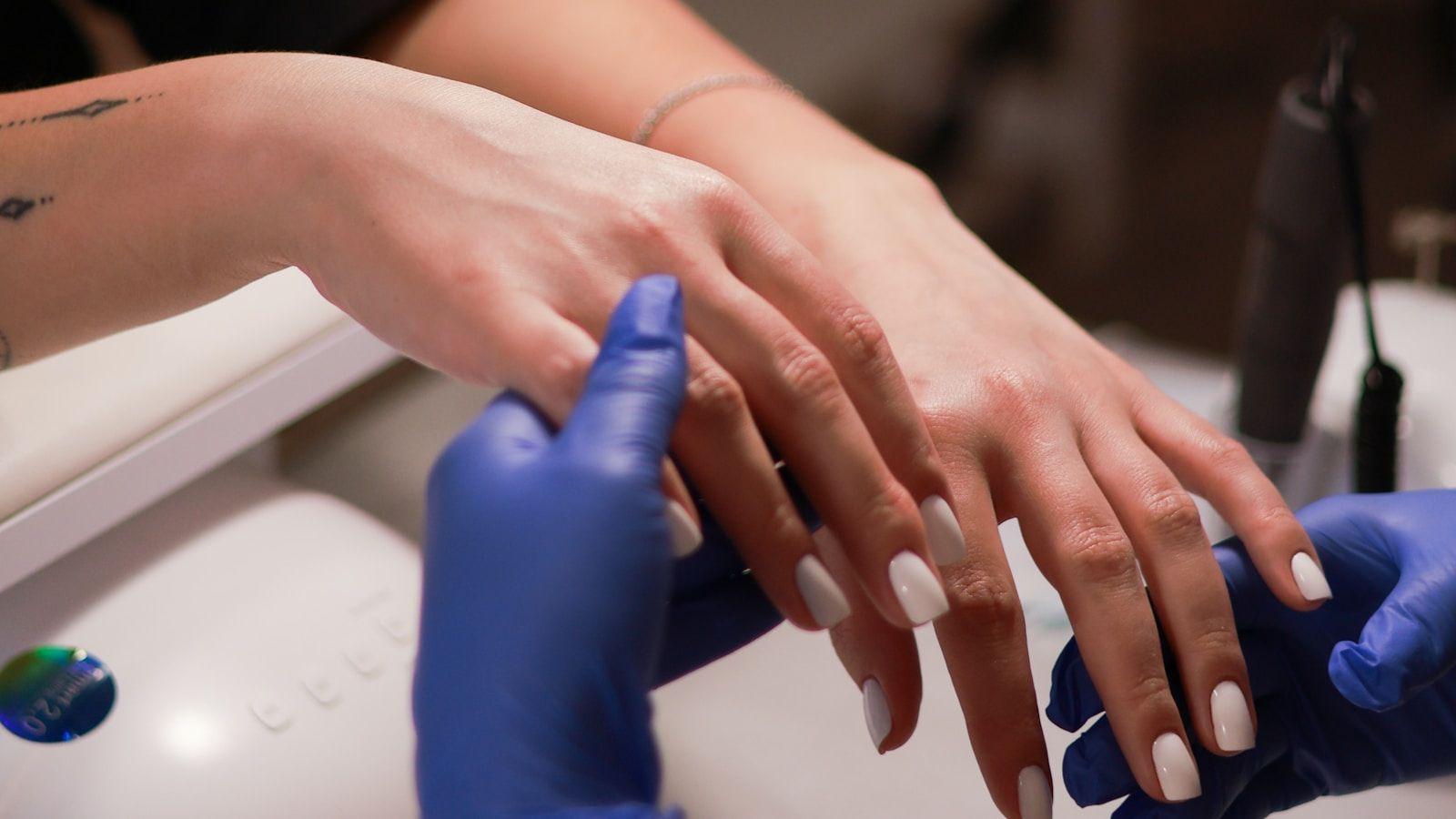
Gel or Acrylic: Which Should You Choose for Nail Extensions
One of the most common questions before your first set of nail extensions is "gel or acrylic?" Both materials deliver strong, beautiful results, but they work differently and suit different needs and lifestyles.
In this guide, we'll break down how gel differs from acrylic, compare their pros and cons, and help you decide which material is right for you.
What Is the Difference Between Gel and Acrylic
Gel is a single-component material that hardens under a UV or LED lamp. It stays workable longer, giving the technician time to sculpt the shape before curing it under the light.
Acrylic is a two-component system: liquid monomer and polymer powder. When combined, a chemical reaction begins and the material hardens in the air without a lamp — which is why acrylic can be sculpted very quickly and built up to almost any thickness.
Nail extension techniques have been around since the mid-20th century — you can read more about the history and composition of the materials in this overview of artificial nails.
Gel Extensions: Pros and Cons
Pros of Gel
- Natural look and flexibility — gel looks less bulky and has some give under pressure, so it's less likely to crack on impact.
- Won't yellow over time — quality gel systems resist UV discoloration.
- A range of textures — liquid gel for fine sculpting, hard gel for length and architecture.
- Comfortable, low-odor application — gel has almost no smell during the process.
- Gentler on thin or weak nails — distributes pressure more evenly across the nail plate.
Cons of Gel
- Requires a UV/LED lamp — the appointment takes a bit longer.
- Slightly less impact-resistant than acrylic under heavy physical strain.
- Harder to remove safely at home — best left to a professional.
- Fill-ins tend to cost a little more than acrylic.
Acrylic Extensions: Pros and Cons
Pros of Acrylic
- Maximum durability — holds length and complex shapes (ballerina, stiletto) exceptionally well.
- Cures in the air — no lamp needed, so sculpting and fills are faster.
- More affordable — material and service are usually cheaper than gel.
- Easy to file and sculpt — great for intricate architecture and design.
- Holds its shape well even with an active lifestyle.
Cons of Acrylic
- Has a distinct monomer smell during application.
- Requires a highly skilled technician — mixing errors show immediately.
- Can look slightly thicker and less natural than gel.
- Careless filing during removal can damage the natural nail plate.
How to Choose: Gel or Acrylic for You
- You value a natural look and flexibility — go with gel.
- You need maximum durability (sports, hands-on physical work) — go with acrylic.
- Fill speed matters to you — acrylic is usually quicker.
- You're sensitive to smells — gel is more comfortable during application.
- You're on a budget — acrylic tends to be cheaper.
- You're prepping for a special event and want a delicate, natural look — go with gel.
- Still not sure — trust your technician at a consultation; they'll assess your nails and recommend the right material.
Care and Fill-Ins
Both materials need regular fill-ins as your natural nail grows out: gel roughly every 3–4 weeks, acrylic every 2–3 weeks. If a nail breaks or lifts early, don't try to fix it yourself — see your technician to avoid damaging the nail plate. Read more about how we repair damaged nails in our Nail Repair & Restoration service.
Nail Extensions at Nonny Beauty
At Nonny Beauty, we work with both gel and acrylic systems from premium brands and always choose the material individually, based on the condition of your nails and your desired length and shape. See exact pricing on our Nail Extensions and Correction page or in the full price list.
Book Your Nail Extensions at Nonny Beauty
Not sure whether to choose gel or acrylic? Come in for a consultation — our technician will assess your nails and recommend the material that will last longer and look most natural on you.
Useful pages on our site:
- Nail Extensions and Correction
- Nail Art & Design
- Nail Repair & Restoration
- Manicure
- Pedicure
- Our Masters
- Prices
- Portfolio
- Contacts